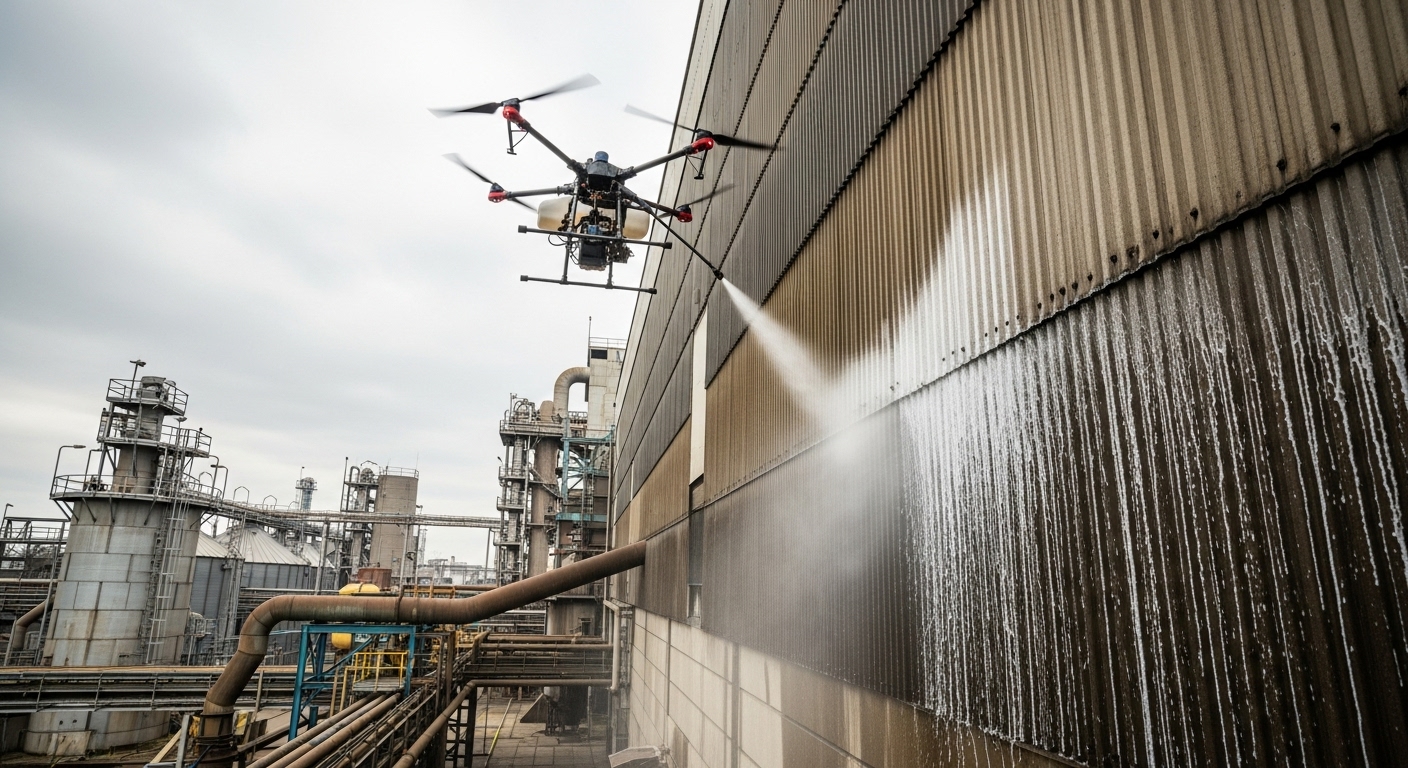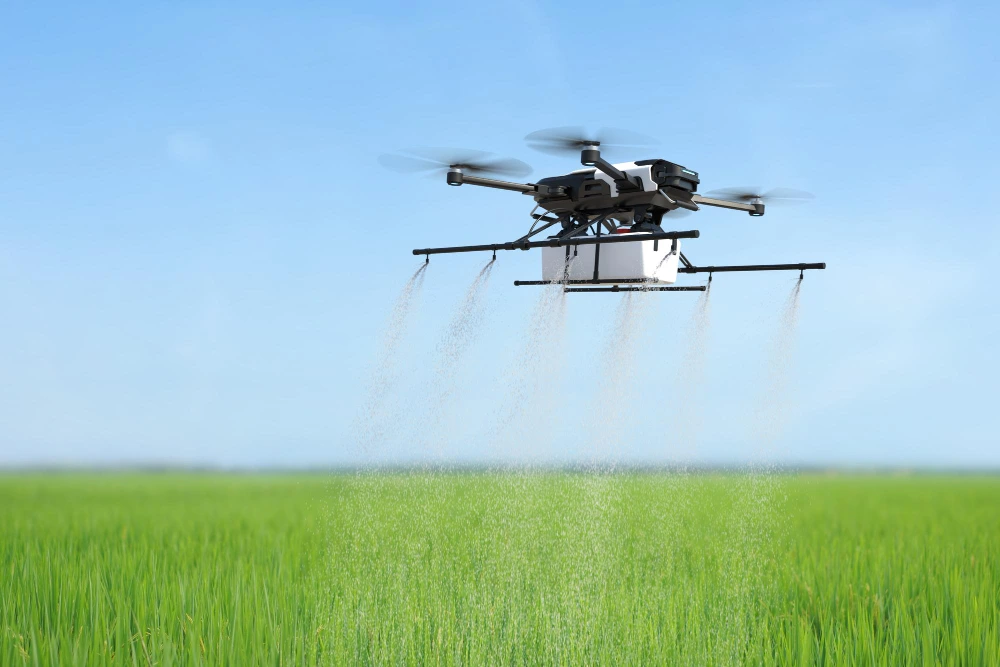
Cleaning drones are specialized unmanned aerial vehicles (UAVs) designed to carry out maintenance tasks on tall buildings and industrial structures. Equipped with cutting-edge technology, these drones perform a range of functions, from glass cleaning to pressure washing, and beyond. Their ability to reach inaccessible heights and navigate complex structures makes them invaluable tools in modern maintenance efforts.
Drone Window Cleaning: A New Standard in Exterior Maintenance
Glass Cleaning Drones
Specifically engineered for window washing, these drones utilize suction mechanisms and water jets to effectively clean glass surfaces. Their precision and ability to operate at great heights eliminate the need for cumbersome scaffolding or risky rope access, streamlining the cleaning process.
Window Washing Drones
These versatile drones can undertake a variety of cleaning tasks, including washing building exteriors and large industrial equipment. Their adaptability makes them suitable for diverse environments, ensuring that surfaces are maintained to high standards regardless of their location or condition.
Drone Building Cleaning Solutions
Drone Pressure Washers
Equipped with high-pressure nozzles, these drones can clean surfaces with powerful jets of water. This capability makes them ideal for removing tough stains and grime, particularly in industrial settings where such challenges are common.
Soft Wash Drones
Utilizing low-pressure water mixed with cleaning agents, these drones gently clean surfaces, significantly reducing the risk of damage. This approach is especially beneficial for delicate surfaces that require a more careful touch, ensuring cleanliness without compromising structural integrity.
The Role of Drones in High-Rise Building Maintenance
High-rise buildings present unique maintenance challenges, particularly when it comes to cleaning windows and exterior surfaces. Traditional methods like scaffolding or rope access not only pose significant risks but also require considerable time and resources. Cleaning drones offer a safer and more efficient alternative by eliminating the need for human workers to operate at perilous heights. Their precision and speed ensure that maintenance tasks are completed swiftly, reducing disruption and enhancing safety.
Drone Power Washing in Industrial Applications
Industrial facilities, including factories and warehouses, demand regular cleaning to maintain optimal safety and efficiency standards. Drone power washing is particularly effective in these environments, as it can clean expansive areas and reach difficult spots with ease. By minimizing downtime and maximizing productivity, these drones contribute to a more streamlined and cost-effective maintenance process.
Cleaning Drones for Renewable Energy
For solar panels to function at peak efficiency, they must remain free from dirt and debris. Cleaning drones offer an efficient solution for maintaining solar panels, ensuring that they capture maximum sunlight and generate optimal energy levels. This not only enhances energy output but also extends the lifespan of the panels, making drones a valuable asset in the renewable energy sector.
Drone Maintenance for Bridges and Monuments
Drones are increasingly used for the maintenance of bridges and monuments. Tasks such as cleaning and inspection can be performed without the need for extensive scaffolding, reducing both the time and cost associated with traditional methods. By ensuring these structures remain in good condition, drones play a crucial role in preserving historical landmarks and critical infrastructure.
Safety and Efficiency Benefits of Cleaning Drones
Safety is a paramount concern in high-rise and industrial maintenance, where the potential for accidents is significant. By reducing the need for human workers to operate at dangerous heights, cleaning drones significantly minimize the risk of accidents. Their use ensures that maintenance tasks are conducted with a higher degree of safety, protecting workers and reducing liability.
Drones offer a more cost-effective solution for maintenance tasks compared to traditional methods. They require fewer personnel and can complete tasks more quickly, leading to substantial reductions in labor costs and project timelines. This efficiency translates into significant savings, making drones an attractive option for budget-conscious maintenance strategies.
Precision and Environmental Impact
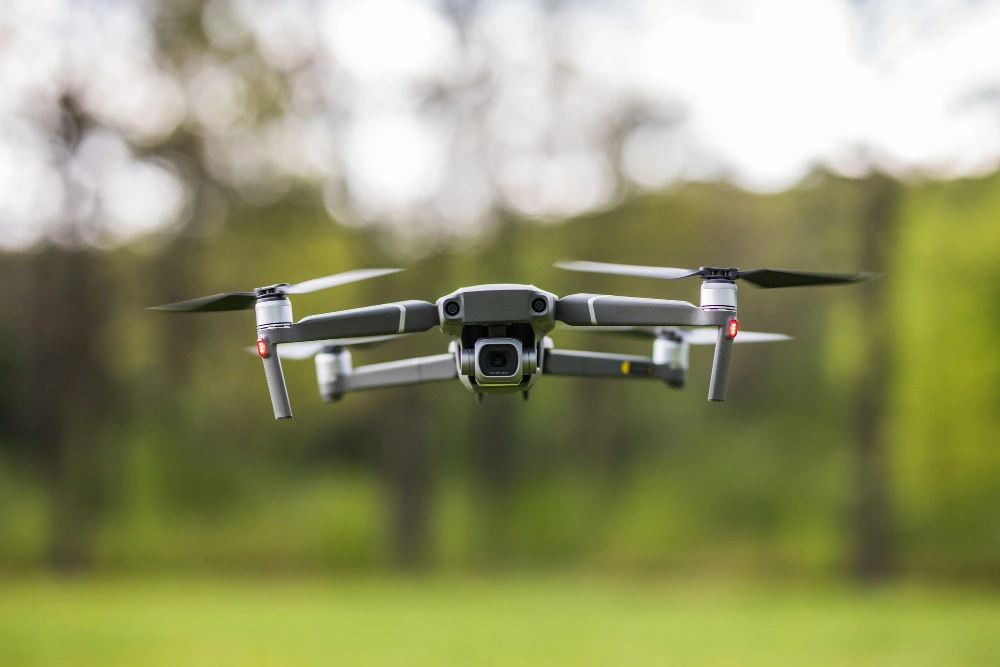
Equipped with advanced sensors and navigation systems, drones perform tasks with remarkable precision. This ensures thorough cleaning and maintenance, enhancing both the appearance and longevity of structures. Their ability to consistently deliver high-quality results makes them indispensable in environments where accuracy is crucial.
Drones have a reduced environmental footprint compared to traditional maintenance methods. They use less water and cleaning agents, minimizing waste and pollution. Additionally, as battery-powered devices, they produce fewer emissions than fuel-powered equipment, aligning with broader sustainability goals and reducing the ecological impact of maintenance activities.
Future Trends in Drone Cleaning Technology
As technology progresses, the capabilities of cleaning drones are set to expand. Future developments may include drones with advanced AI capabilities, enabling autonomous operation and decision-making. These advancements could lead to drones capable of performing repairs or even painting building exteriors, further broadening their utility.
Moreover, as the demand for sustainable and efficient maintenance solutions grows, cleaning drones are poised to become integral components of high-rise and industrial maintenance strategies. Their versatility and adaptability will likely lead to new applications and innovations, ensuring they remain at the forefront of maintenance technology.
Explore our professional exterior and high-rise cleaning services
Challenges and Considerations in Drone Operations
While cleaning drones offer numerous benefits, several challenges need to be addressed to maximize their potential.
Regulatory Compliance
Operating drones requires strict adherence to aviation regulations, which can vary significantly by region. Companies must ensure compliance with these regulations to avoid legal complications and ensure safe operations. Staying informed about regulatory changes and maintaining necessary certifications will be crucial for the continued success of drone maintenance initiatives.
Weather Limitations
Adverse weather conditions, such as strong winds and heavy rain, can severely impact drone operations. Planning around weather forecasts is essential to ensure both safety and operational effectiveness. Companies must be prepared to adjust schedules and strategies to accommodate weather-related disruptions, maintaining flexibility in their maintenance planning.
Battery and Payload Constraints
Current battery technology limits the flight time of drones, impacting their ability to complete extensive tasks without frequent recharging. Additionally, the payload capacity of drones restricts the amount of cleaning solution or water they can carry, necessitating frequent resupplies. Ongoing advancements in battery technology and payload optimization will be vital in overcoming these limitations.
Cutting-edge robotics innovations from Boston Dynamics
Conclusion: Embracing the Future of Maintenance with Cleaning Drones
Cleaning drones are revolutionizing the approach to high-rise and industrial maintenance. Offering safer, more efficient, and cost-effective solutions, these drones are rapidly becoming essential tools for maintaining modern infrastructure. As technology evolves, we can anticipate cleaning drones playing an even more significant role in the future of building and industrial maintenance.
Whether the goal is to enhance safety, reduce costs, or improve efficiency, cleaning drones provide a promising solution for a wide range of maintenance challenges. By embracing drone technology today, businesses can stay ahead of the curve, ensuring they are well-prepared for the future of maintenance.